Our Leadership
Imani
Black

Founder & CEO
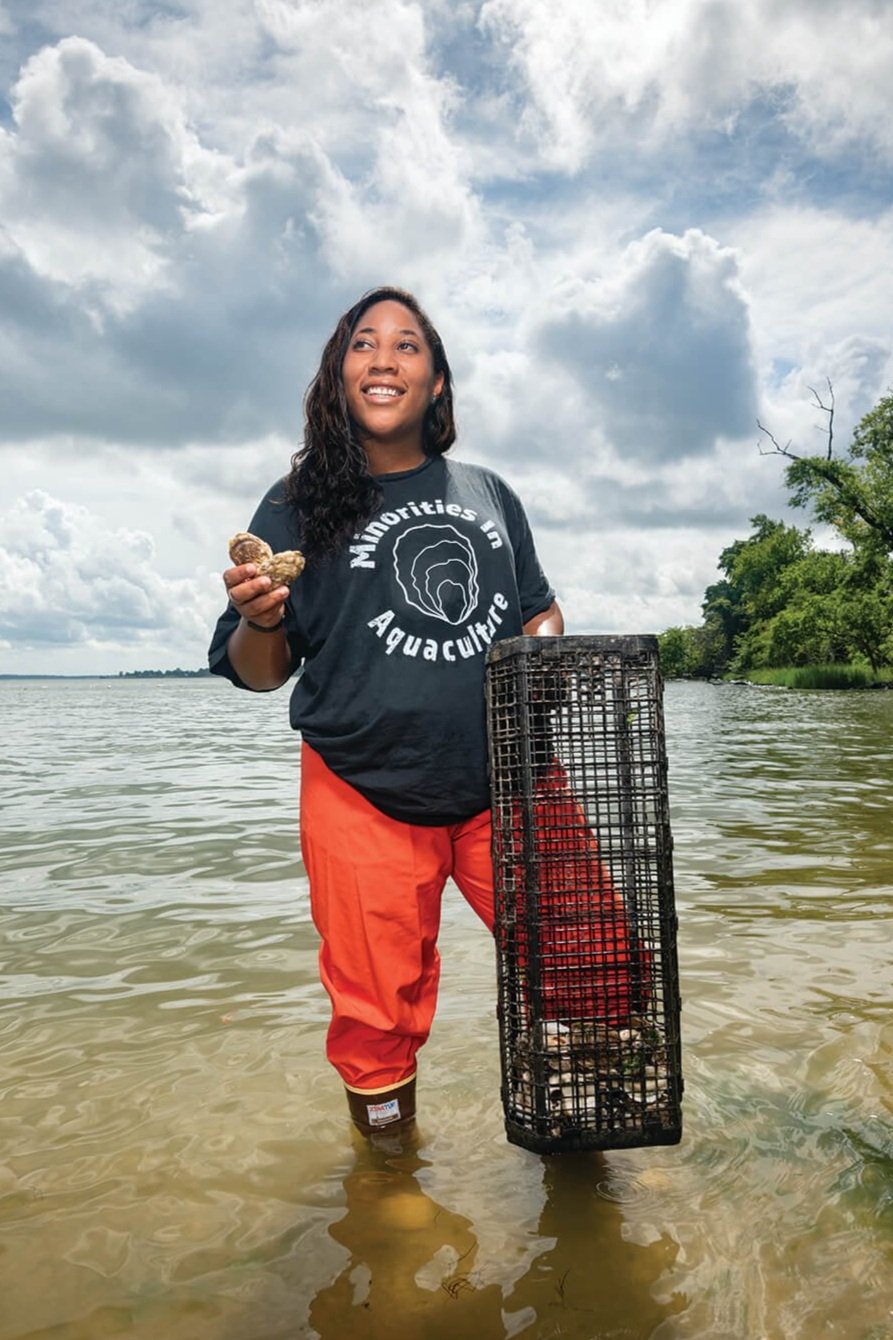
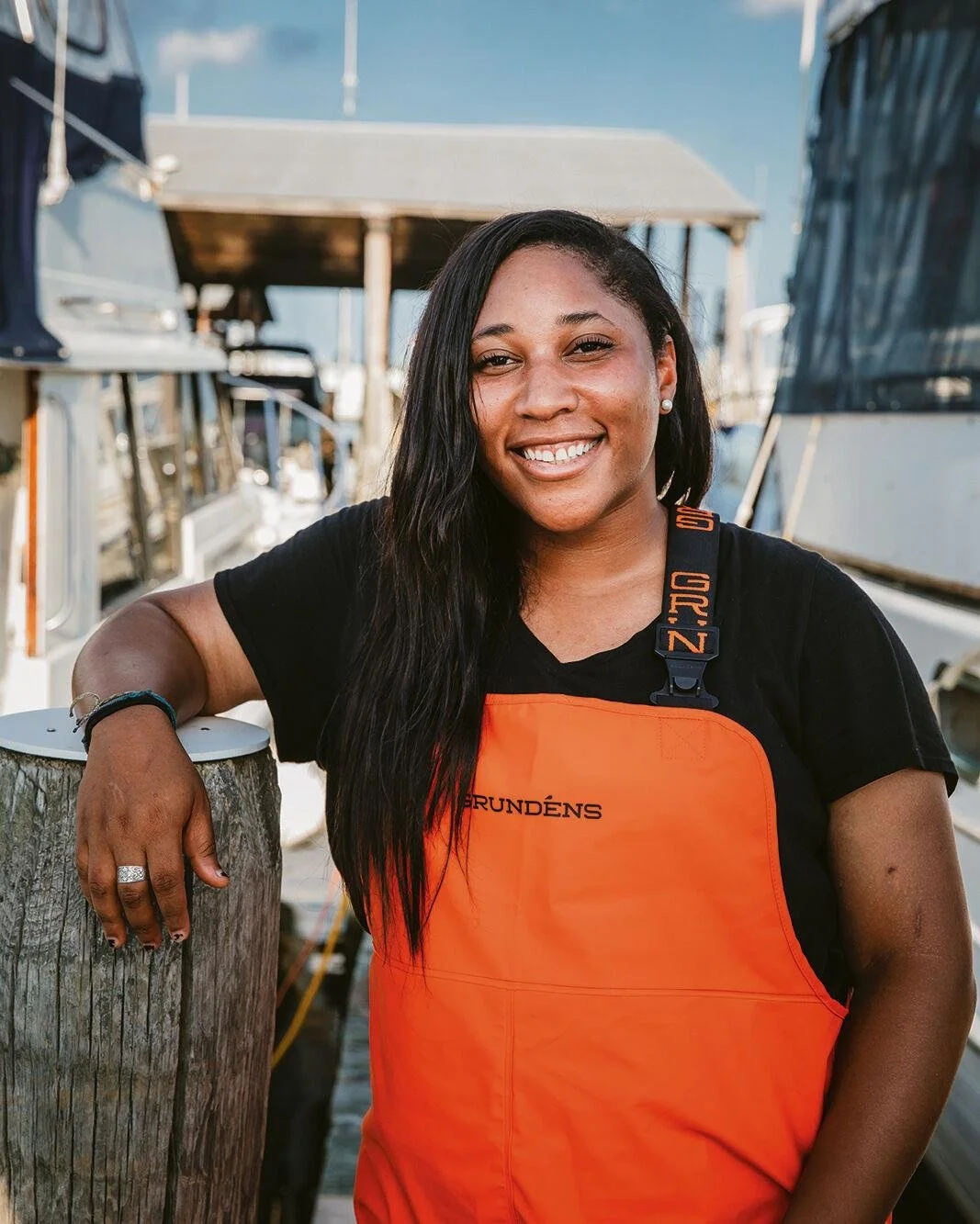
Imani is an African American oyster farmer building a career in the rapidly growing aquaculture industry. She was born and raised on the Eastern Shore of Maryland and her love for conservation and restoration on the Chesapeake Bay started at a young age. Imani comes from a long family history of watermen from Rock Hall, Crisfield and Cambridge, MD that dates back over 200 years.
Imani attended Old Dominion University and graduated with a Marine Biology degree and was a Division 1 student athlete in lacrosse.
During college, Imani interned for the Chesapeake Bay Foundation’s VA Oyster Restoration Team which started her journey into oyster restoration and shellfish aquaculture. Following graduation, Imani was selected to participate in the VIMS’ Aquaculture Genetics & Breeding Technology Center’s (ABC), Oyster Aquaculture Training (OAT) program which targets those pursuing careers in all aspects of oyster aquaculture, from hatchery operations to grow-out and processing.
Through her love for her career, Imani founded Minorities In Aquaculture, a nonprofit organization that strives to empower and support the underrepresented demographics (i.e women of color, women in general, men of color, etc) in the aquaculture industry by providing opportunities such as paid internship, technical skills training and career development resources. Over the last 2 years, MIA has focused its efforts and resources toward supporting women of color in their aquaculture careers, starting with Imani’s demographic which is also least engaged in this space. Overall, Minorities In Aquaculture is recognized as an impactful network focused on sustainable seafood education, aquaculture workforce development, and active engagement approaches not only for the minorities in aquaculture, but the industry as a whole in its effort towards a more diverse aquaculture field.
In addition to developing the nonprofit, Imani is currently pursuing a Master’s degree at the University of Maryland’s Center for Environmental Science researching the historical coastal communities of color in commercial fisheries in the Chesapeake Bay, while highlighting the approaches and methods toward active minority engagement and participation in coastal regions.
Imani’s Chesapeake Family Heritage
1880’S CENSUS
Peter McCready (great, great uncle) started oystering at 16 years old in Dorchester County, MD.
Paternal grandfather’s cousins were watermen (crabs and oysters) Kent County (Rock Hall), MD.
William McCready (Great uncle) was watermen in Lake District/Honga & Wingate in Dorchester Co, MD.
Grandmother worked in the packing house picking crabs.
Great grandfather, grandfather and great cousins shucked oysters and clams in the Seafood Packing Houses in Rock Hall, MD.
1900’S CENSUS
Elbridge McCready (Great, great grandfather) of Asquith Island Road/Lake District tonged and dredged oysters with his brothers and sons in Dorchester County, MD.
Arlie and James “William” McCready (both great cousins) were self-employed tongers at the age 18.
Communications Team
Carlee Fultz
Communications Team Lead
-
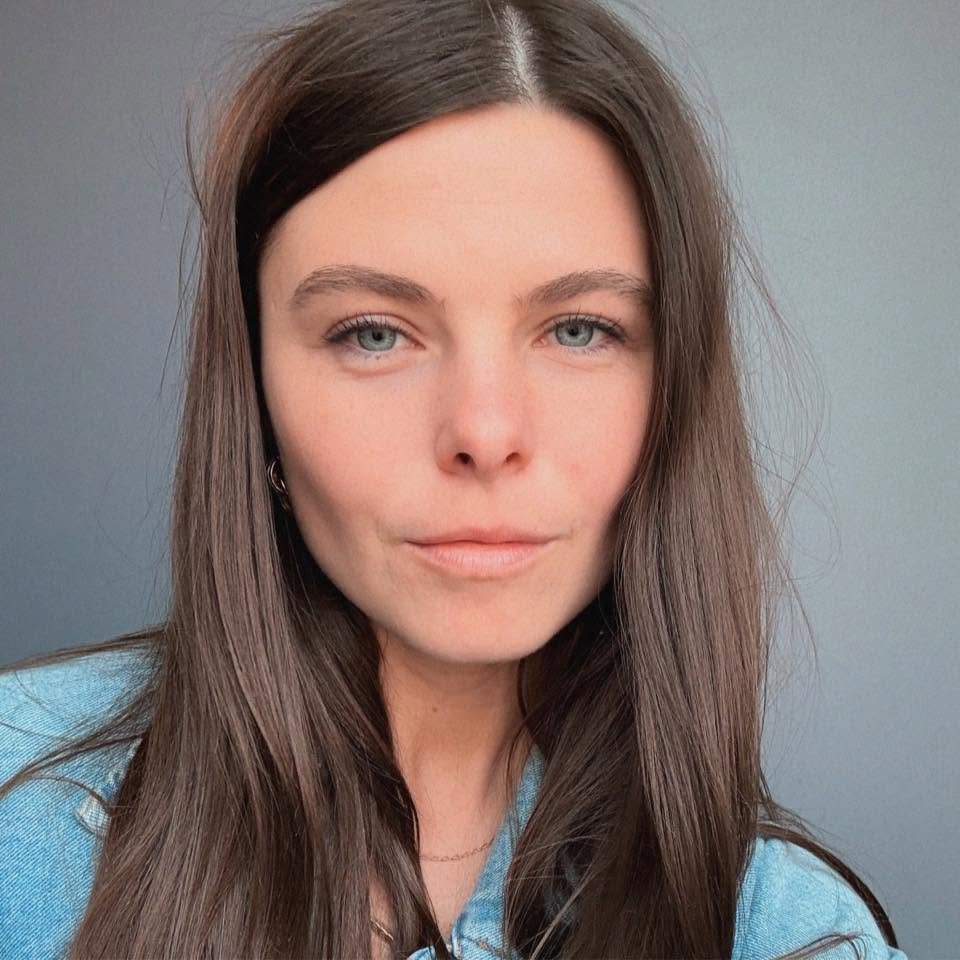
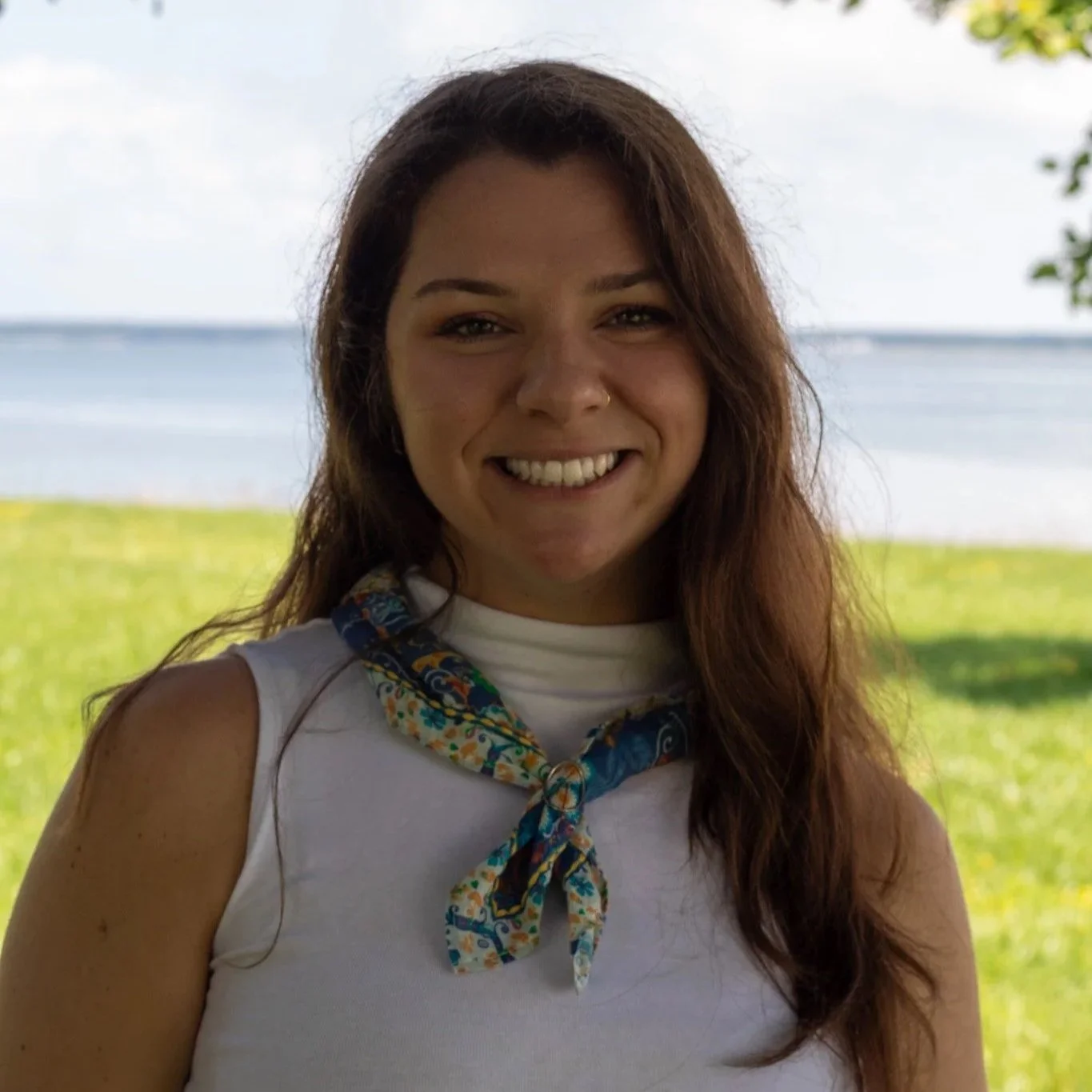
Carlee Fultz earned a B.S. in Business Administration with a focus in Marketing Strategy from the University of North Carolina Wilmington. With seven years of experience in the music industry, she navigated diverse roles across major labels and global publishing companies in locations ranging from New York, NY, to Nashville, TN before returning to North Carolina.
Carlee ventured into oyster farming and founded Salmon Rose Creative, a marketing and design company dedicated to supporting small businesses and non-profits. Beyond her professional pursuits, Carlee is deeply committed to advocating for animal rights and welfare.
Science/Written Communications Coordinator
Michella Salvitti
-
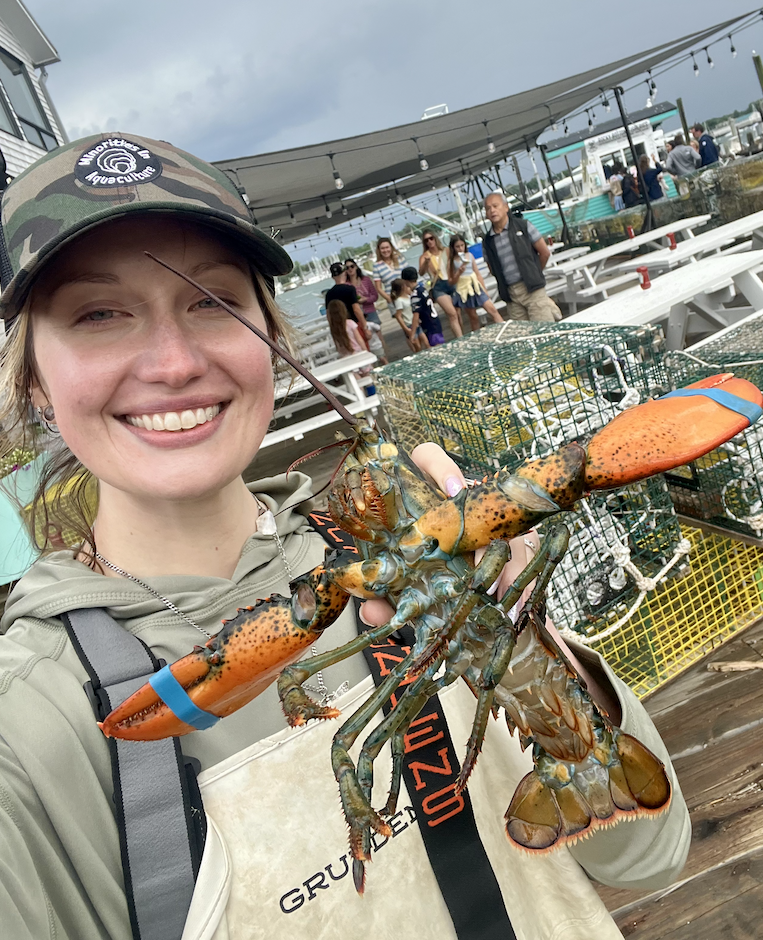
Michella Salvitti is a Ph.D. Student with background in environmental science, conservation biology, and virus transition research. Her goal is to purse research opportunities and help mainstream major scientific issues. Her current research focuses on a group of environmental contaminants called PFAS and how they impact aquatic environments.
As a member of the MIA communications team, Michella has kicked off the blog post page on our website with an informative piece of her writing titled: Searching for Seafood in a Desert
Executive Operations & Administrative Coordinator
Sarah McCarthy
-
Sarah is originally from Maryland's Eastern Shore, having spent much of her childhood on the waters and shores of the Chesapeake and its tributaries. She earned a B.A. in Environmental Sustainability and Human Ecology from the University of Baltimore and a Master of Forestry from Northern Arizona University, both with highest honors.
Sarah served as a Graduate Research Assistant and Co-PI on an NSF-funded project through the Intermountain West Transformation Network. She is the primary author on a supporting MDPI paper about convergence research and regenerative agriculture in the arid Southwest. She also proudly holds a Permaculture Design Certificate from the Hopi Tutskwa Permaculture Institute.
Sarah is also a musician and performer who believes strongly in the power of art and community to build a brighter, more equitable future.
Barrett Moody
Social Media Editor & Content Developer
-
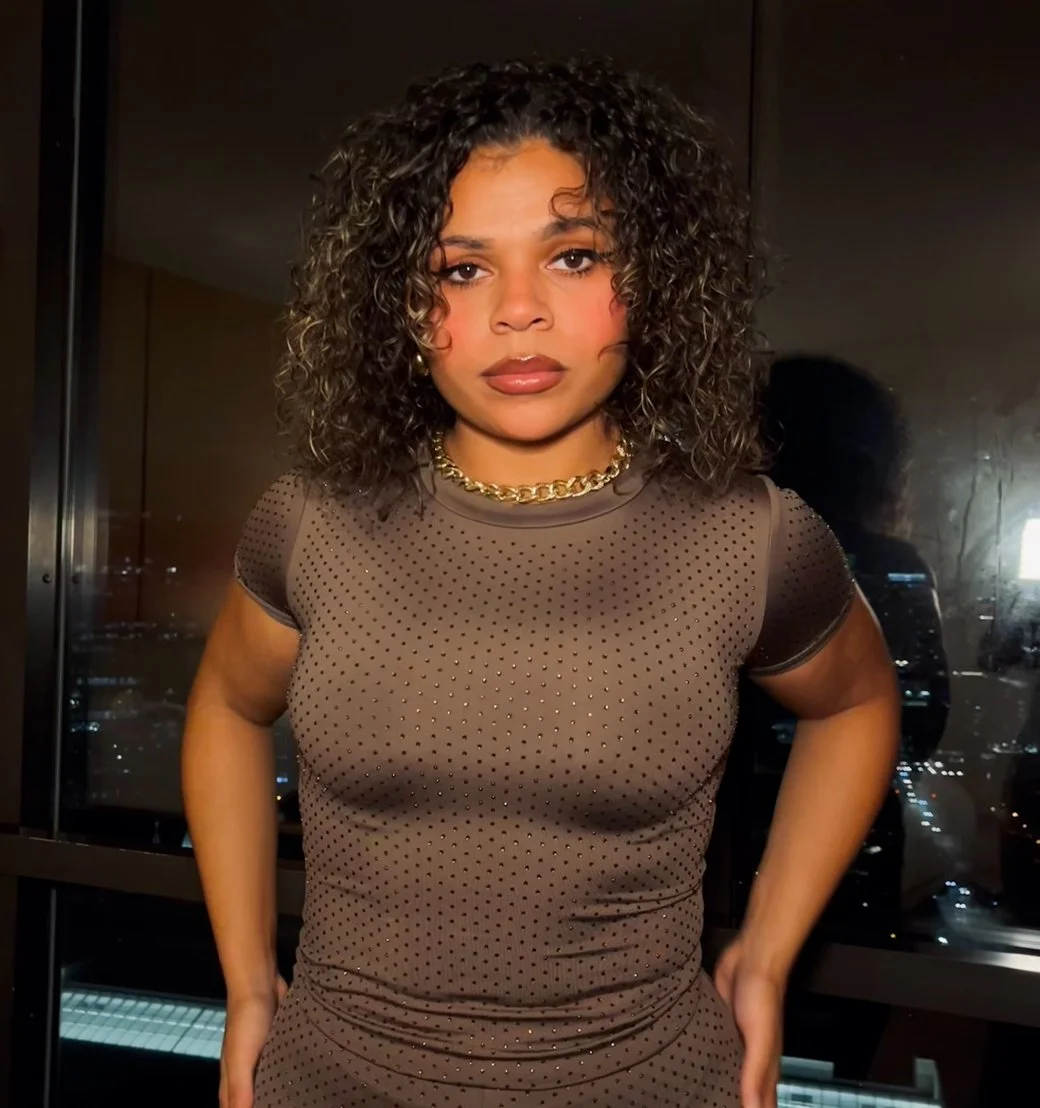
Barrett Moody earned a B.S in business administration with a focus on media/communication and a B.S in political science with a focus on service entrepreneurship from Presbyterian College. She was quite the steward in college completing multiple town beautification projects in Clinton, SC such as a mural installation and a park installation. In addition to economic development she furthered her civic engagement by completing mock legislation for the aquaculture industry in South Carolina Barrett was introduced to the MIA network and interned with them in the summer of 2025. Upon her time in the oyster field Barrett connected to her family history and roots on James Island finding out she was a descendent of one of the oldest black owned seafood companies in the state, Backman’s on sol legare. Barrett not only loves seafood but has a real passion for caviar and other luxury delicacies. She combines fashion, adventure and advertising to effectively story tell and curate content for her personal brand mogul moody and for the MIA media pages.
Nina Jackson
Communications Intern
-
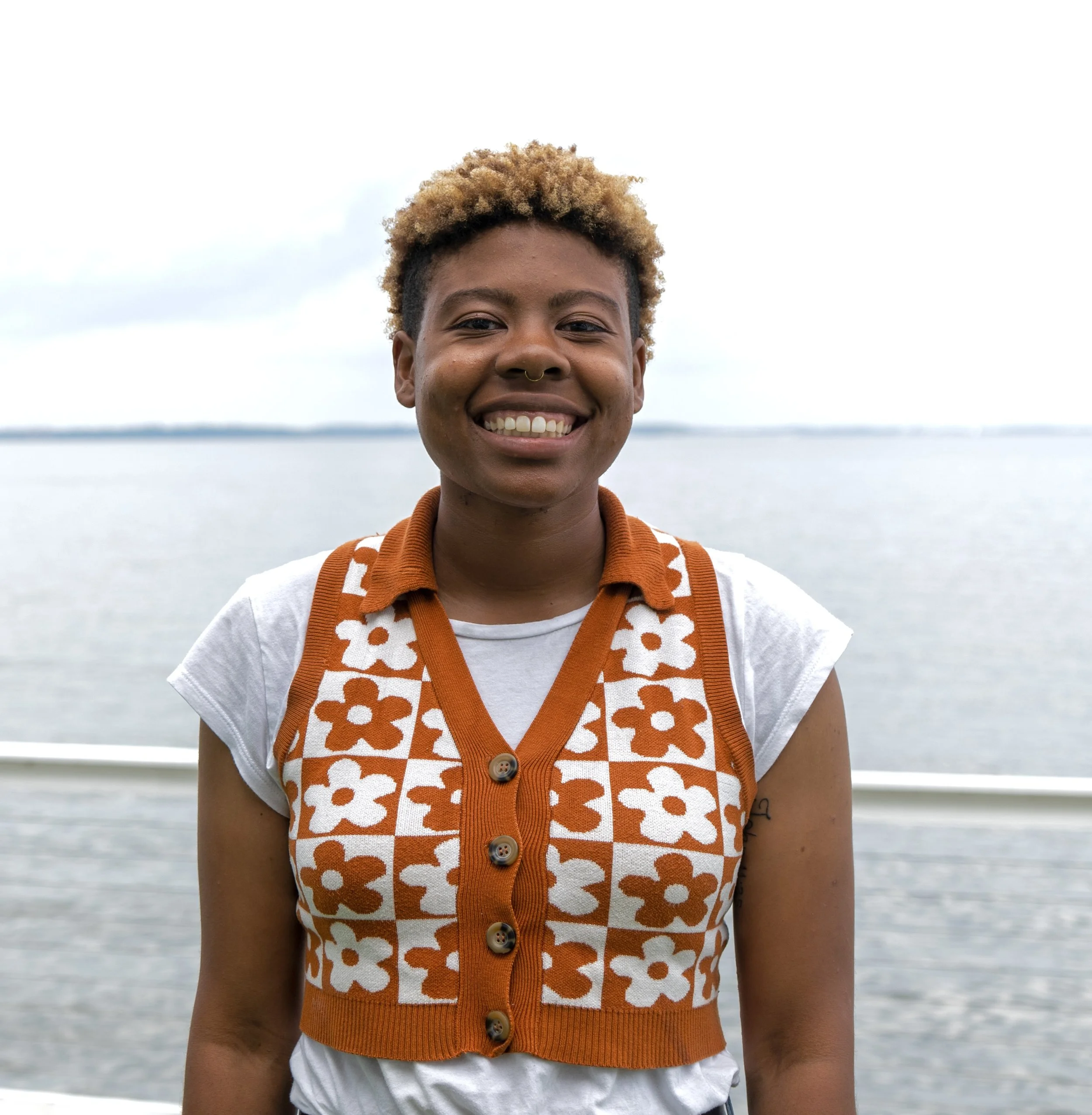
Nina Jackson is currently pursuing an M.S. in Applied Mathematics at Towson University. They are a Corps member for the Chesapeake Climate and Conservation Corps (CCCC) program. They have lived in Maryland most of their life. Specifically, close to the Chesapeake Bay on Aberdeen Proving Ground in Aberdeen, Maryland. They have always loved the water. After attending Black in Marine Science (BIMS) Immersion Program, they were introduced to the world of marine conservation and science communication. Ever since, their goal has been to combine their love for math, marine conservation, and science communication.
Nina is a photographer and a film enthusiast who loves the magic of movies and shines beauty through photography.
Board of Directors

Lauren Thiesse
Donor Relations & Grants
Freelance Nonprofit Consultant, Consultant at Strive Together
-
Lauren Thiesse is a dedicated leader working with nonprofits to achieve equitable results from cradle to career. She is a skilled facilitator who is passionate about leading groups of diverse stakeholders through the process of continuous learning & improvement.
Lauren holds a degree in English with a focus in writing and nonprofit management. She holds an MPA from the University of Oklahoma-Tulsa. In 2020, Lauren started her own business as a freelance consultant providing high-quality program management and facilitation for collective impact organizations across the country.
As Donor Relations & Grants Chair, Lauren brings her years of program management, network facilitation and grant writing experience.

Sharon McBreen
Fundraising & Engagement
Aquaculture Industry Consultant, Senior Officer at The Pew Charitable Trusts
-
Sharon McBreen is an ocean conservation advocate and fisheries and aquaculture policy expert, with decades of experience collaborating with industry, government agencies, and managers to advance the sustainability of our marine resources.
Over the last 12 years, Sharon was a senior officer at The Pew Charitable Trusts, specializing in strategy development, stakeholder engagement, coalition building, advocacy, and public outreach. She also participated on a team identifying opportunities to expand shellfish and seaweed aquaculture.
As the Fundraising & Engagement chair, Sharon brings her multi sector knowledge, community & industry engagement strategies and network experience.
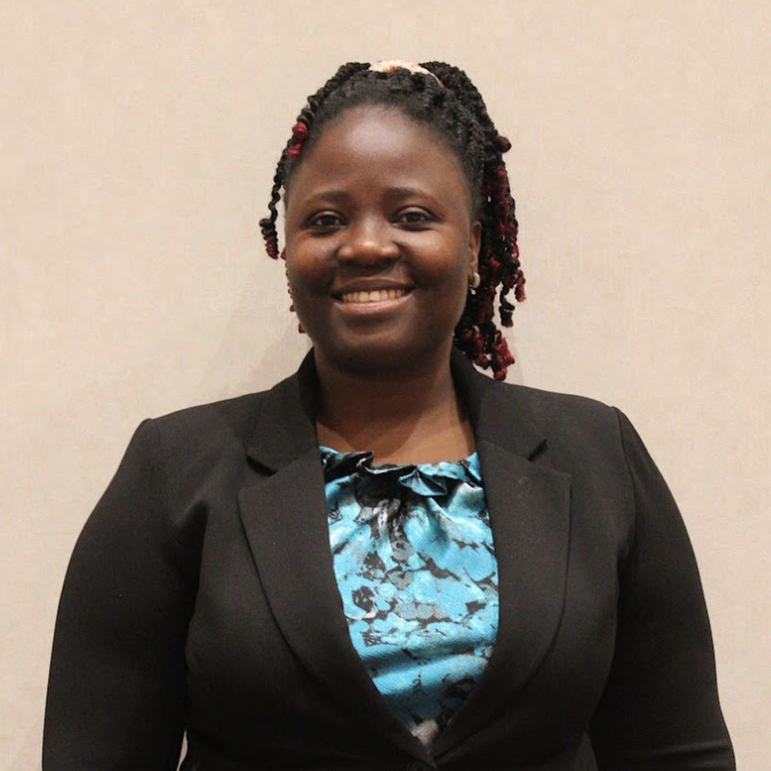
Academia & International Membership Engagement Chair
Moureen Matuha, Ph.d.
Assistant Professor of Aquaculture (Research & Extension)
-
Bio Coming Soon…
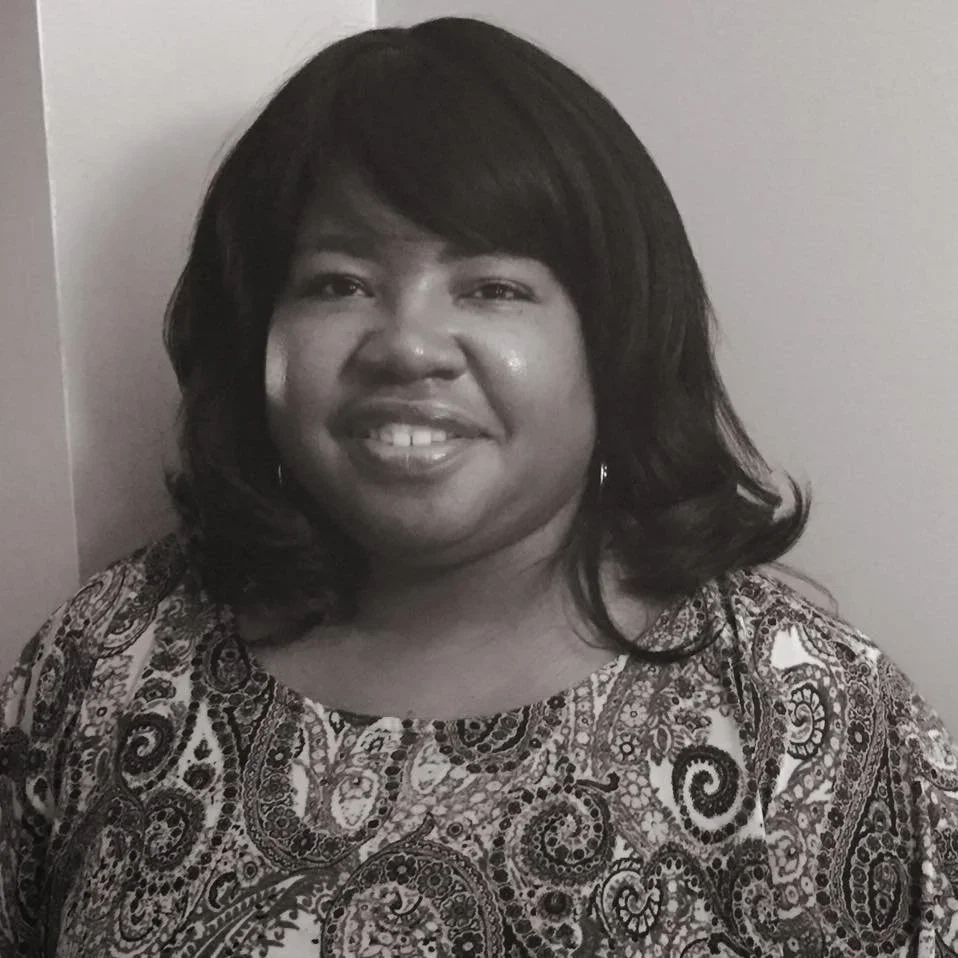
Christle Foster
Grants & Finance Chair
Executive Director, TRiO Programs at Chesapeake Community College
-
Christle Foster received her Bachelor’s degree in Business Management from Wilmington University. In her career, Christle has managed over $1 million in grant funds from the US Department of Education Diversity and Inclusion. Currently she’s studying for a Doctorate of Philosophy in Organizational Leadership at the University of Maryland-Eastern Shore.
As the Grants & Finance chair, Christle brings her business knowledge, grant writing, and grant finance experience.
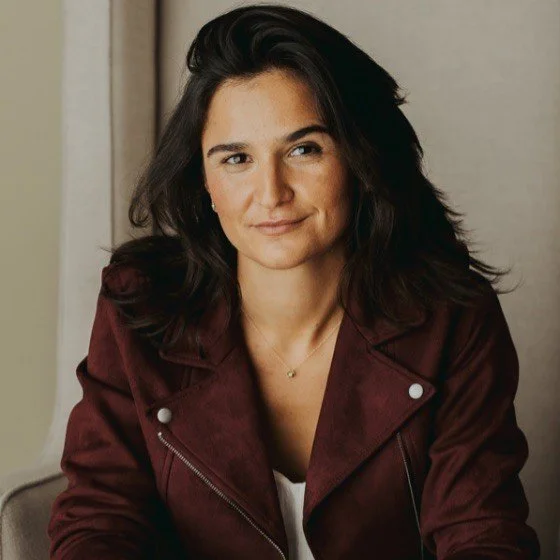
Angela Moncada Hewitson
Program development
Maritime Systems & Equity Strategist
-
Angela Moncada Hewitson is a relationship-first problem solver and systems thinker working at the intersection of water-centered industry, education, community, justice, and governance. Her background spans research, fisheries, boatbuilding, public engagement, and equity-centered organizational strategy, with a focus on building durable partnerships - translating values into practice.
As a Chicana from the Inland Empire, Angela brings a perspective shaped by hands-on work across land-and-water-based systems. Much of her work centers on reconnecting communities—often generationally displaced from the water—to aquaculture and blue economy pathways through collaborative, place-based initiatives, particularly in the Salish Sea.
Angela is currently pursuing a Master’s at the UW School of Marine Affairs, with an academic focus on community-centered, decolonized approaches to the blue economy.
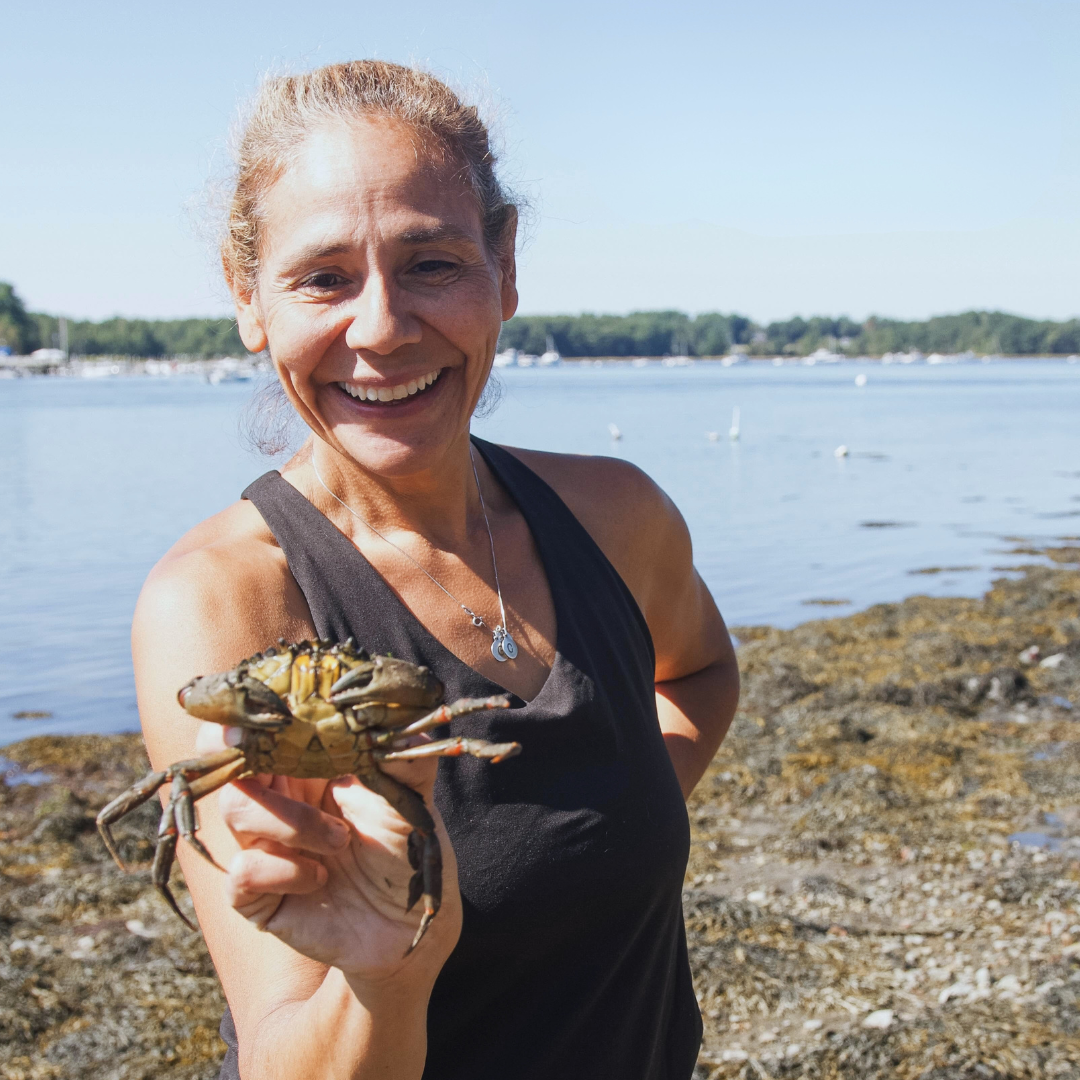
Dr. Gabriela Bradt
Membership Engagement & Programming
Associate Extension State Specialist – Fisheries and Aquaculture, UNH Cooperative Extension/NH Sea Grant
-
Dr. Gabriela Bradt is an Associate Extension State Specialist for Fisheries and Aquaculture with the University of New Hampshire Cooperative Extension and New Hampshire Sea Grant. She holds a Ph.D. in Zoology from the University of New Hampshire and brings over two decades of experience advancing fisheries and aquaculture systems that support healthy ecosystems, resilient coastal communities, and equitable access to local seafood.
Gabriela’s work focuses on innovative fisheries and aquaculture approaches, emerging seafood markets, and strengthening the economic and environmental viability of local seafood systems. She is widely recognized for translating science into practical tools, educational programs, and partnerships that serve fishermen, farmers, processors, chefs, and coastal communities.
She leads regional and national collaborations on topics including invasive species, seafood utilization, marine debris, and coastal resilience, and her outreach has been recognized with multiple Sea Grant and University of New Hampshire awards. Gabriela is deeply committed to collaborative problem-solving, workforce development, and fostering inclusive spaces that elevate diverse knowledge, lived experience, and leadership.