Decolonizing U.S.Aquaculture: Centering Indigenous Voices and Stewardship
By Briana Le
The Pillars of Sustainability
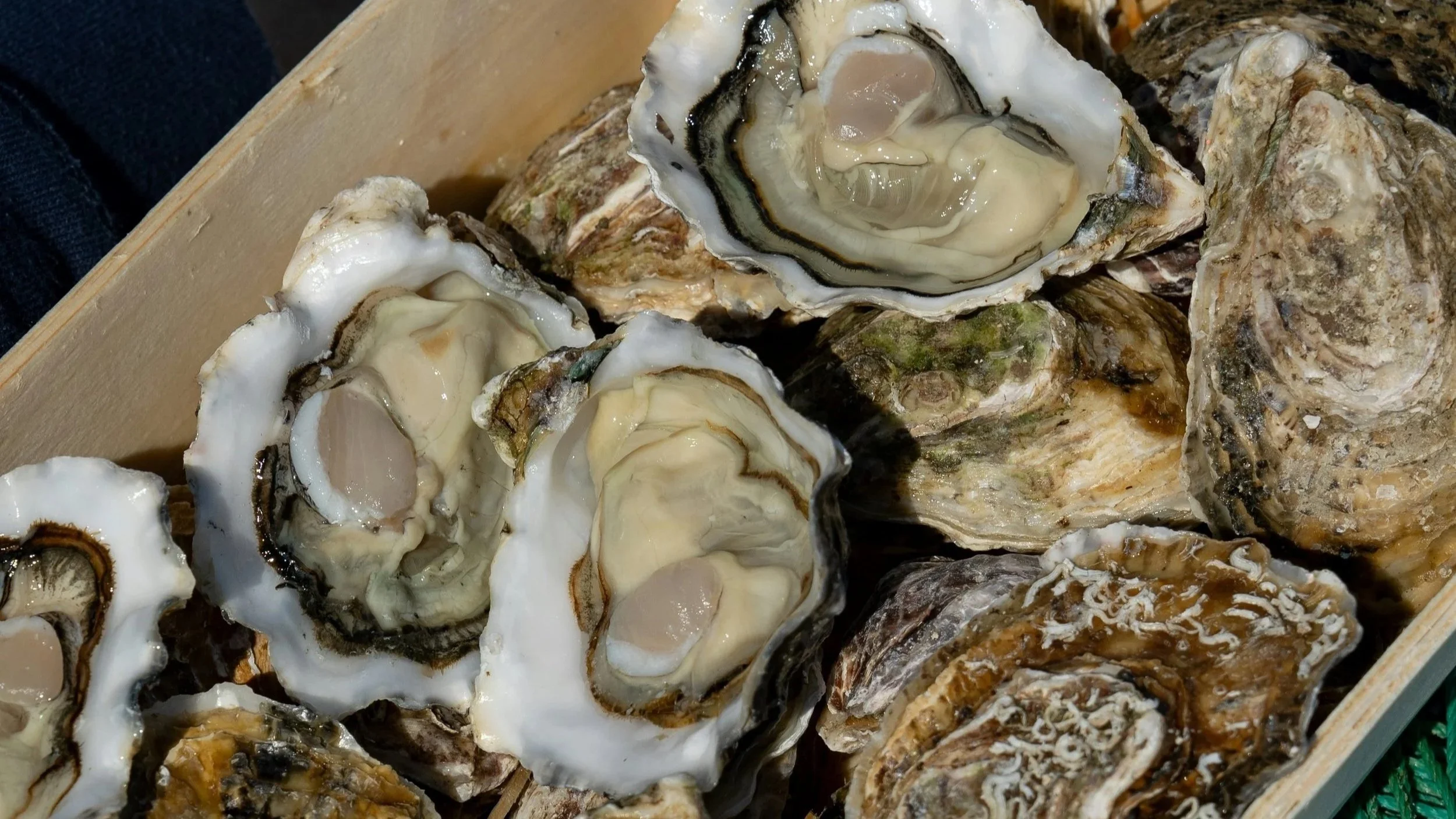
What does aquaculture look like to you? Take a moment to ponder.
You could be picturing a school of salmon swimming circles in an open-net pen. Or you’re envisioning farmers hoisting oyster cages onto a boat. Maybe you’re thinking about the industry's rapid growth and economic potential. Lately, I’ve been thinking about an entirely different topic: Indigenous people and their marginalization from aquaculture in the U.S.
Aquaculture is an intricate web of environmental, economic, and societal factors that cannot be untangled. These factors are considered the three pillars of sustainability, key to maintaining longevity in food production systems. You cannot ethically sustain a business without considering all three, aquaculture included. However, the industry’s research and policy have been centered on two of the three: environment and economy.
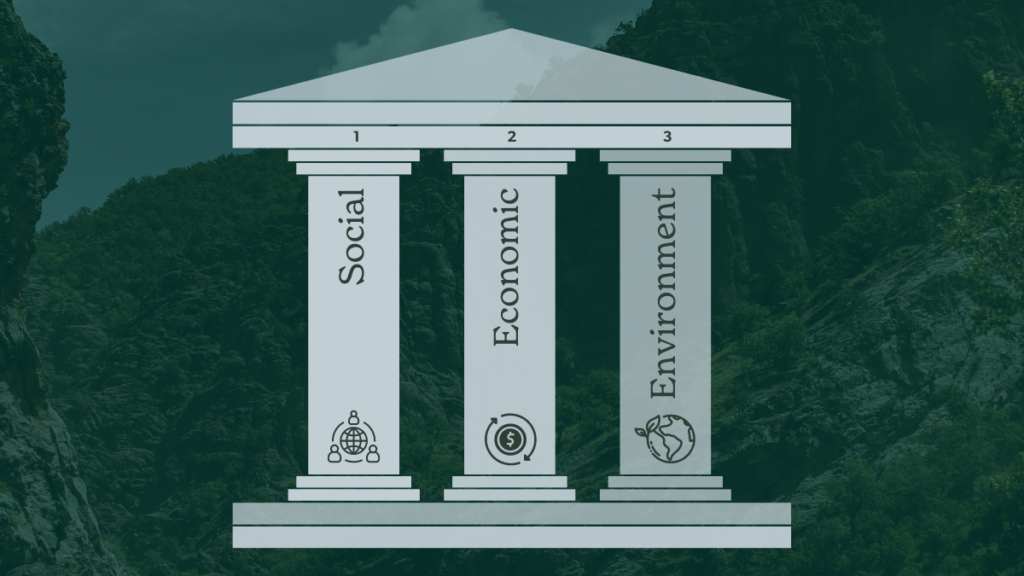
The three pillars of sustainability by Positive Planet.
Consider recirculating aquaculture systems (RAS), prominent in sustainable land-based finfish farming in Nordic countries and East Asia. RAS are essentially closed-loop tanks that recycle about 99% of their total water and effectively manage waste to prevent runoff.
Or think of Norway’s “traffic light” system, dividing the coastline into thirteen zones and scaling salmon production up or down based on the impacts of sea lice infestations on wild populations. These are just a few examples of the industry conserving the environment while growing the economy.
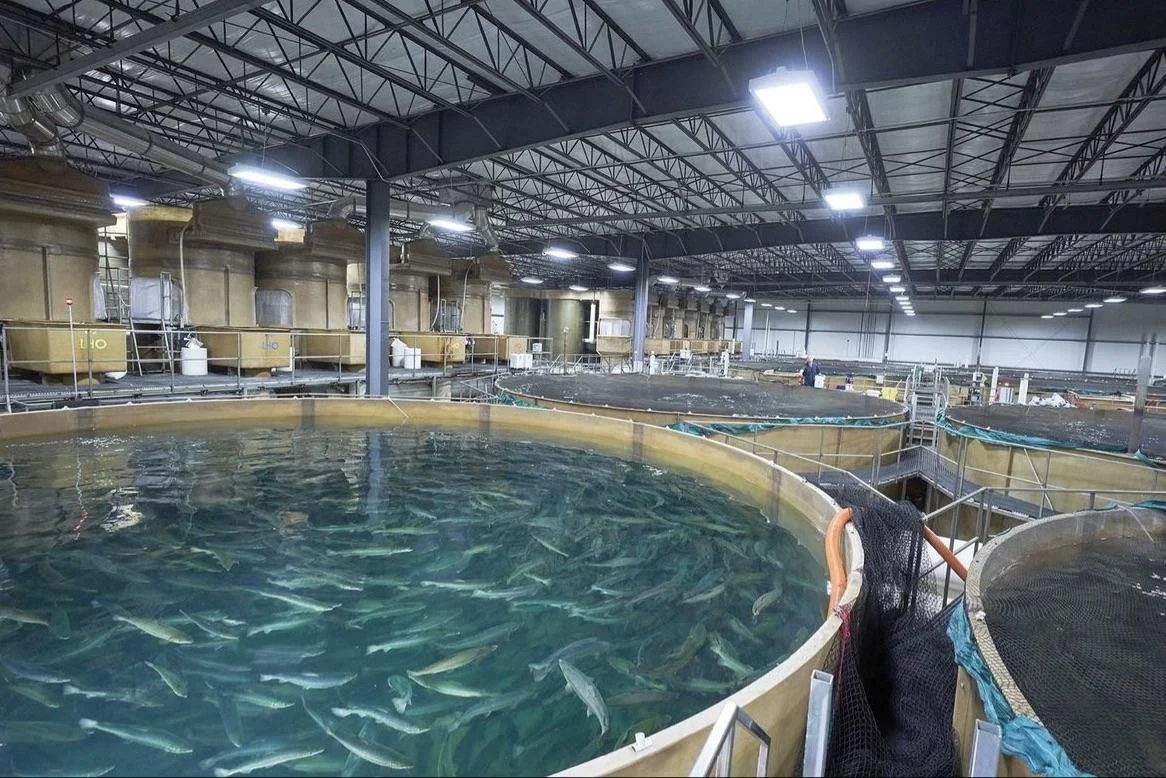
AquaBounty’s RAS-filtered salmon farms.
Photo by u/BRANDON96239
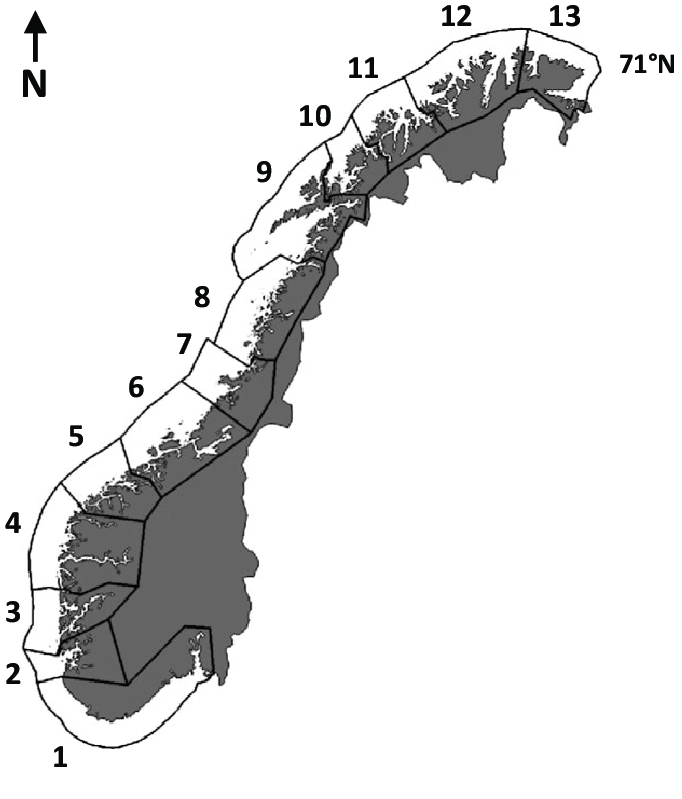
Norway’s 13 Atlantic salmon production zones.
Figure found in Overton et al. 2018 paper
The industry often forgets the third pillar: society. If one pillar is missing from the foundation, the sustainability ship will eventually capsize and sink to the seafloor, making it difficult to resurface and sail once more. The aquaculture ship has been sailing for some time, but will it stay afloat in the years ahead? Within this pillar, Indigenous communities have been excluded from the conversation almost entirely. Their exclusion from modern commercial aquaculture is the main point of our conversation.
As a woman in aquaculture, I understand what it means to be a minority in this space. Women, adolescents, people with disabilities, and Indigenous communities all deserve to be empowered within it. I want to focus specifically on Indigenous exclusion and the history behind it, because the aquaculture industry cannot reach true sustainability while ignoring generations of knowledge.
Silenced Voices
Indigenous communities in America have been displaced from their land for centuries, and this is not to be overlooked. The Indian Removal Act of 1830 displaced an estimated 100,000 Native Americans, primarily from the Cherokee, Chickasaw, Choctaw, Creek (Muscogee), and Seminole tribes, by forcing them to move west of the Mississippi into “Indian Territory.” The purpose of this act was to seize ancestral land in the American Southeast for white settlement, agricultural expansion, and growth of slavery. Whether they resisted or were coerced into signing treaties, Indigenous people were still forced to relocate during the 1830s and 1840s. Approximately 12,000 to 17,000 Native Americans died from disease, starvation, and exposure to harsh weather on their tragic journey through the “Trail of Tears.”
To add insult to injury, the Dawes Act of 1887 enabled the U.S. federal government to divide communal tribal lands into small individual plots. The objective was to force Native Americans to assimilate into white American society, resulting in irreversible cultural erasure and over 90 million acres of tribal land stolen from Native Americans. Indigenous tribes could no longer live the way they had been for at least 23,000 to 30,000 years. The remnants of these tragedies trickle into modern-day aquaculture, and we must acknowledge this if we want to sustain aquaculture.
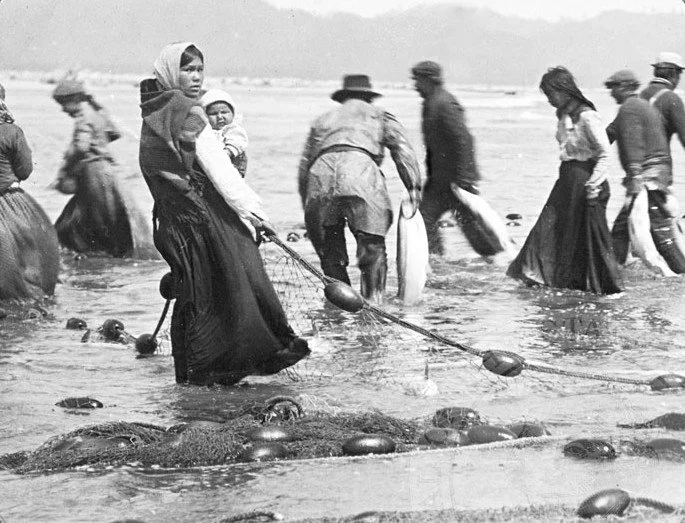
Chinook families fishing together in Ilwaco. Photo by Oregon Historical Society.
Even as they faced displacement, Indigenous communities have practiced aquaculture for millennia. Prime examples include the Swinomish maintaining their clam gardens for more than 3,500 years in the Pacific Northwest (PNW) and the Kānaka Maoli tending their fish ponds in Hawai’i since 1200 AD. Indigenous people such as the Swinomish and Kānaka Maoli were the original environmental stewards, caring for the land and sea while producing food for their communities and passing traditions onto younger generations to keep their heritage alive.
In modern-day aquaculture, a prime example of Indigenous stewardship is seen in Dune Lankard, an Eyak fisherman and founder of the Native Conservancy. His organization is centered on bringing Eyak traditional ecological knowledge back into kelp mariculture practices with efforts to improve food security and economic opportunity for Indigenous coastal communities in Alaska. The organization has implemented the OceanBack Initiative, where Lankard helps Native farmers establish their own kelp farms. Lankard was awarded the 2025 James Beard Foundation Impact Award for his leadership in food security and ocean restoration efforts.
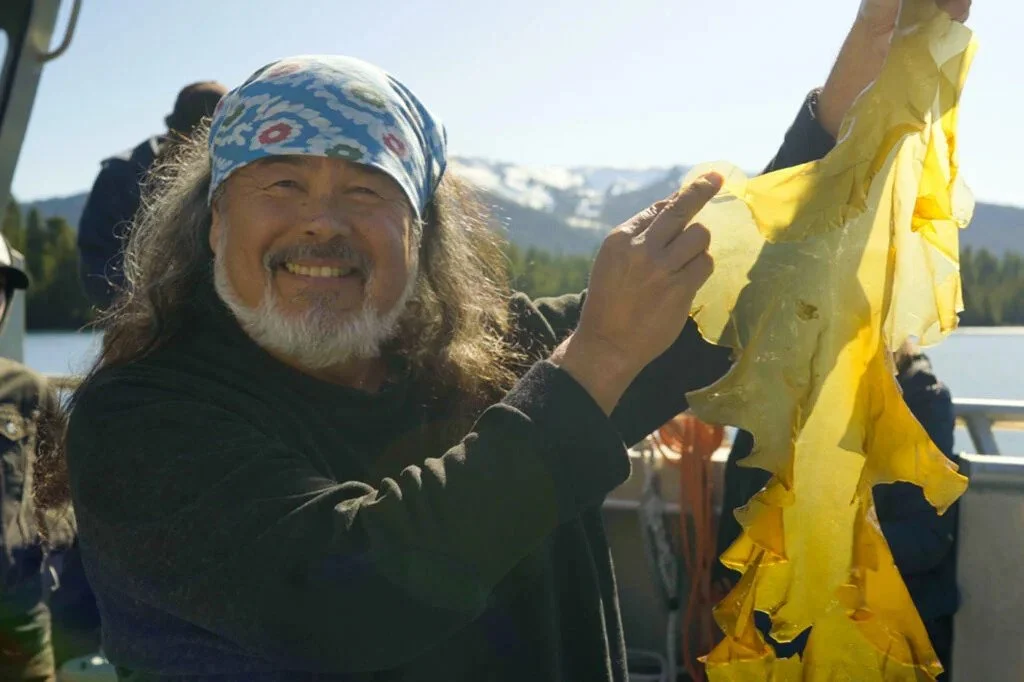
Dune Lankard, the founder of Native Conservancy, holding a blade of sugar kelp grown at one of the Native Conservancy’s test sites.
Photo by Ayse Gursoz.
Despite Native communities farming aquatic organisms for ages, their voices have been largely excluded from commercialized U.S. aquaculture operations, and have been since this field began expanding.
The 2022 Census of Agriculture reported that there were 58,336 farms operated by American Indian/Alaska Native (AI/AN) producers across all of agriculture (e.g., crop production, livestock farming, aquaculture, and more) nationwide. This statistic is a mere fraction of the total 1,900,487 U.S. farms, meaning AI/AN only make up 3% of all agriculture operations. In this figure, AI/AN representation in aquaculture is entirely unspecified.
Why are they still ignored in this conversation, even as aquaculture experts? Wouldn’t it be intuitive to put their knowledge into practice?
The answer lies in systemic barriers rooted in colonialism, which are present when we look at how aquaculture governance has treated Indigenous communities in practice. Aquaculture governance and licensing processes were largely established without consulting Indigenous communities, enabling operations to proceed without considering their needs. Unfortunately, the aquaculture industry has had little incentive to resolve these issues faced by Indigenous tribes. The displacement of tribal communities in the past two centuries has rendered traditional stewardship and heritage invisible, resulting in Indigenous exclusion from modern commercial aquaculture. With this, I’d like to share two cases.
The experiences of western Washington (WA) tribes show how displacement impacted their environmental stewardship and cultural practices. For millennia, these tribes (e.g., Jamestown S’Klallam, Puyallup, Skokomish, Suquamish, and more) harvested clams, oysters, and crabs in the rocky intertidal for food and trade. As white people began privatizing coastlines during the 1850s, Indigenous tribes were being excluded from their traditional shellfish harvest areas. This example of displacement is made worse by understanding that WA is one of the few U.S. states to allow intertidal zones to be privately owned, whereas most tidelands are publicly owned elsewhere.
Between 1891 and 1971, WA sold millions of acres of tidelands after the Stevens treaties were signed between a WA governor and PNW tribes, promising tribes shellfish access in “common with all citizens,” which courts later interpreted as a 50% split. It wasn’t until 1971 that WA passed the Gissberg Amendment to stop the general sale of state-owned tidelands. Though the tribes’ treaty rights were never erased, selling the tidelands to private owners made it nearly impossible to enforce harvesting rights.
With that, it took over a century of legal disputes to rightfully restore tribes’ harvest rights. With the Boldt Decision in 1974, tribes received the right to harvest 50% of the harvestable salmon and steelhead in western WA. Later, federal courts expanded this to include shellfish too. Currently, fifteen WA tribes maintain harvest rights within their traditional harvesting areas. Tribes also co-manage commercial and subsistence shellfish harvests with the state, collecting their own taxes to fund tribal natural resource programs.
Tribes such as the Skokomish run active shellfish aquaculture operations, where they seed beaches and restore habitats as a direct practice of traditional stewardship. However, they still have to operate within a privately owned tidelands system that was built to exclude them.
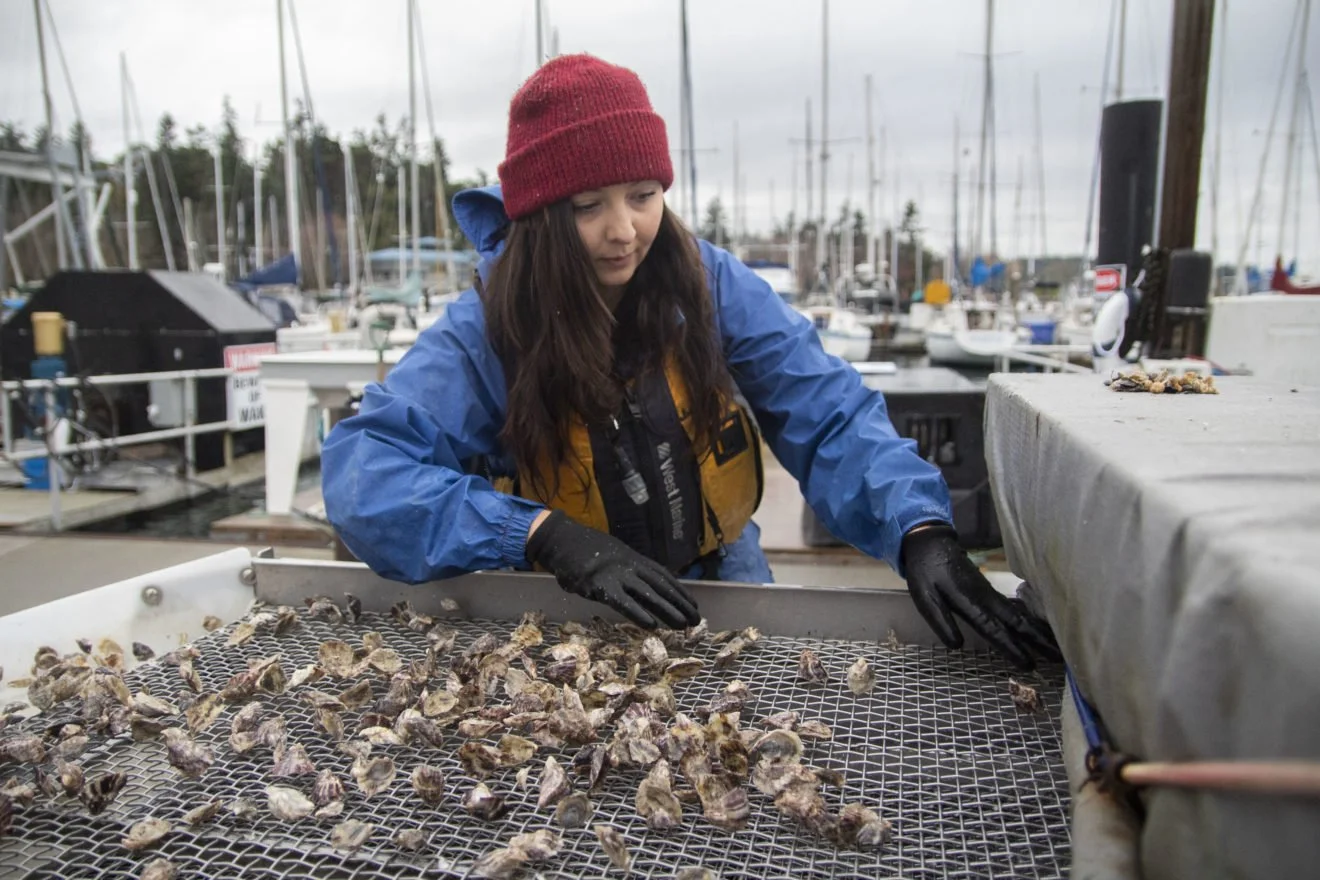
Julianna Sullivan, a Port Gamble S’klallam tribal marine biologist, sorting young Pacific oyster on a wire mesh. Photo by Tiffany Royal.
Moving on, Canada has shown us how problematic Indigenous injustice can be. The Department of Fisheries and Oceans (DFO), part of the federal government, renewed five-year operating licenses for fourteen open-net salmon farms in British Columbia without consulting the First Nations whose territory the farms occupy.
The Union of British Columbia Indian Chiefs (UBCIC) argues this renewal violated the government’s duty to consult. Section 35 of Canada’s Constitution Act, 1982 requires the federal government to consult with Aboriginal peoples before taking actions that may affect their rights, including impacts to traditional fishing rights and wild salmon populations threatened by open-net farming.
In July 2024, two First Nations in British Columbia (the ‘Namgis and the Kwikwasut’inuxw Haxwa’mis) filed a judicial review in federal court, arguing that the lack of consultation infringed on their Aboriginal rights. As of August 2026, the court has not yet ruled on this ongoing case. The lack of consultation of Indigenous tribes regarding aquaculture management in their jurisdiction overlooks their sovereignty and deepens economic and social difficulties experienced in their communities. Again, the repercussions and hardships following their displacement had lasting implications for the generations to follow.
With that, how do we address these injustices for the sake of aquaculture?
None of the progress I mentioned earlier undoes what was taken. While tribes received harvesting rights and the ability to manage their own shellfish operations, their stolen land was never fully returned. 90 million stolen acres cannot be easily returned, while centuries of cultural erasure cannot be undone.
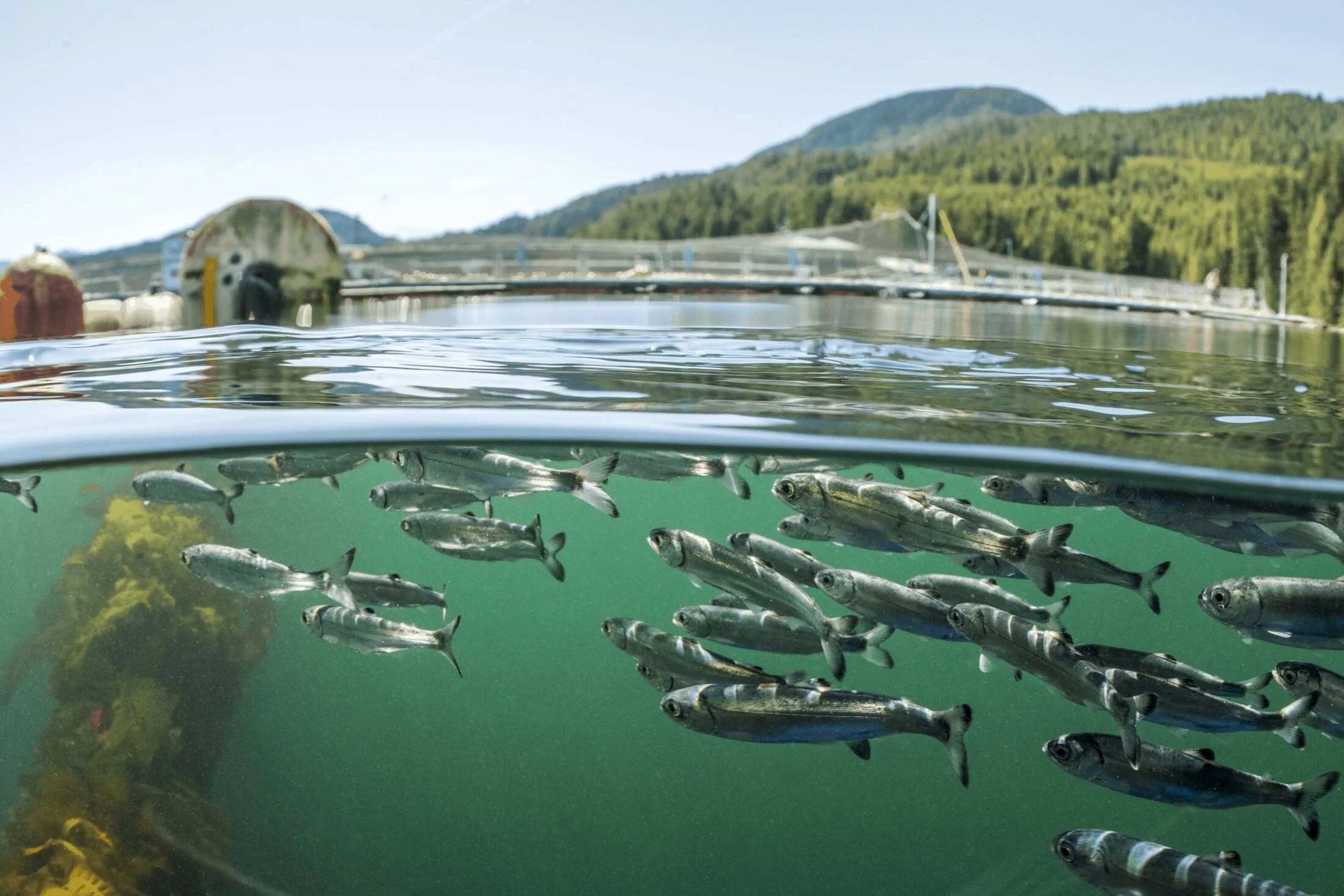
Juvenile salmon swimming in a shoal.
Photo by Tavish Campbell.
However, Indigenous communities have continued to fight against the systemic barriers meant to silence them. They’ve been fighting to reclaim their traditional ecological knowledge, fighting to practice their traditions, fighting to integrate their ways into the modern economy as they see fit. Their persistence deserves recognition even as their fight to reclaim what is owed continues.
With that, we must decolonize aquaculture.
Decolonization is the process of a colonized country or group freeing itself from cultural, social, and economic control of foreign power. Decolonization allows people to govern themselves and reclaim their own identity, culture, and land.
It is not enough to acknowledge how harmful past colonialism was.
We need to support rebuilding this space for Indigenous leadership within the industry’s governance and management. We can be advocates, stewards, and supporters of legislation and businesses preserving indigenous knowledge and practices.
Let’s decolonize aquaculture, together.
Take Part in Decolonizing Aquaculture
Though the ship to liberate aquaculture from a colonialist perspective hasn’t left the dock, organizations are working to help it set sail. An organization worth highlighting is the Aquaculture Stewardship Council (ASC) and its project to implement the Free, Prior, and Informed Consent (FPIC) framework into the certification process.
For those who aren’t familiar with ASC, it is a third-party certification organization that ensures sustainable aquaculture products are provided to consumers in markets worldwide. ASC makes it easy for consumers to identify responsibly farmed seafood by placing its teal-colored certification logo on the product’s packaging.
The active and ongoing FPIC project’s objective is to ensure Indigenous tribes have a say in decisions, especially by granting or withholding operational consent for farms that can impact their lands and waters. FPIC is centered around consent before projects begin. ASC began this project in Chile, given the country’s diverse Indigenous population and large volume of ASC-certified salmon.
Since 2023, ASC has been in discussion with the Mapuche, Kawésqar, and other Indigenous groups to help shape the outcomes of this project. As of March 2026, ASC has launched a Technical Working Group, which includes Indigenous representatives, certification groups, and industry members, to help design and integrate FPIC requirements into ASC’s certification procedures used in farms globally.
Currently, no prominent FPIC projects are happening in U.S. aquaculture. Considering WA’s private tidelands ownership and the licensing Canada granted without consultation, the lack of FPIC projects reflects a pattern of aquaculture governance established without Indigenous consent in mind.
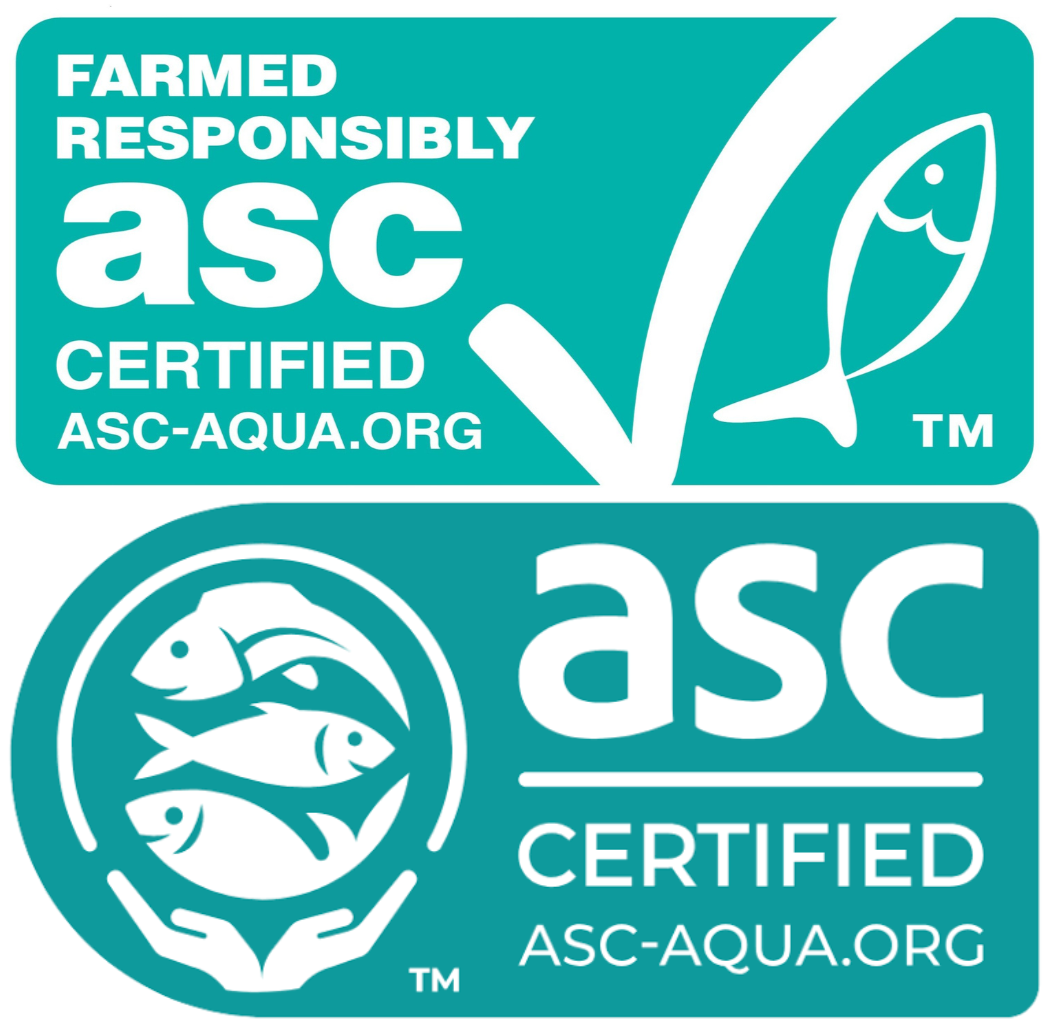
Top: Old Aquaculture Stewardship Council label, which is being phased out by Dec. 2027.
Bottom: New Aquaculture Stewardship Council label.
ASC acknowledges that implementing this project is difficult, especially as vague policies have discouraged operations from wanting to work with Indigenous folks in the first place. ASC’s own research states that businesses experience no “clear policy, or legal and regulatory framework” protecting Indigenous rights. Legal recognition of FPIC varies widely across countries, and many current aquaculture operating licenses were granted before any consent process existed.
It won’t be a quick, smooth-sailing journey to reach true sustainability in this industry. But to ensure aquaculture’s longevity, it must happen.
Decolonizing aquaculture isn’t a task for certification bodies alone. Rather, it requires governments to respect Indigenous sovereignty through consent, and it’s a responsibility shared by everyone who interacts with this industry. Even if you’re simply a consumer of farmed seafood (e.g., oysters, Atlantic salmon, shrimp), you, too, should hop onto this boat, regardless of how much knowledge you have in aquaculture.
If you find yourself on a farm, consider asking who was consulted before the operation was established. Support policies that follow the Free, Prior, and Informed Consent (FPIC) framework to ensure Indigenous voices are heard in aquaculture. Elevate Indigenous-centered research and stewardship rather than perceiving it as irrelevant to “modern” science. Consider purchasing seafood from tribal-owned aquaculture operations.
If you’re in this field, as I am, use your position to make space for those excluded from it. To keep the aquaculture ship afloat, we need all hands on deck, especially those of the original stewards who were meant to be on board from the start of this sustainability journey.
Sources
Brattland, C., Broderstad, E. G., & Howlett, C. (2021). Indigenous agency in aquaculture development in Norway and New Zealand. Taylor & Francis Group. https://www.taylorfrancis.com/reader/read-online/0b3b5077-45a9-46a1-8129-fb66cdff11d0/chapter/pdf?context=ubxBrugere, C., Bansal, T., Kruijssen, F., & Williams, M. (2023). Humanizing aquaculture development: Putting social and human concerns at the center of future aquaculture development. Journal of the World Aquaculture Society, 54(2), 482–526. https://doi.org/10.1111/jwas.12959 Building Bridges: ASC’s Exploration of Free, Prior and Informed Consent in Aquaculture . (2024, August 6). Aquaculture Stewardship Council. https://asc-aqua.org/blog/building-bridges-ascs-exploration-of-free-prior-and-informed-consent-in-aquaculture/Diana. (2025, August 25). Community engagement and Indigenous rights . Aquaculture Stewardship Council. https://asc-aqua.org/human-rights-in-aquaculture/community-engagement-and-indigenous-rights/ Honouring Indigenous peoples and the right to consent in aquaculture . (2025, August 8). Aquaculture Stewardship Council. https://asc-aqua.org/blog/honouring-indigenous-peoples-and-the-right-to-consent-in-aquaculture/The Canadian Press. (2024, July 30). First Nations take feds, companies to court over B.C. fish farms. CBC. https://www.cbc.ca/news/canada/british-columbia/first-nations-bc-namgis-kwikwasut-inuxw-haxwa-mis-fish-farm-licences-federal-court-1.7279921Young, N., Brattland, C., Digiovanni, C., Hersoug, B., Johnsen, J. P., Karlsen, K. M., Kvalvik, I., Olofsson, E., Simonsen, K., Solås, A.-M., & Thorarensen, H. (2019). Limitations to growth: Social-ecological challenges to aquaculture development in five wealthy nations. Marine Policy, 104, 216–224. https://doi.org/10.1016/j.marpol.2019.02.022https://finnforel.com/why-is-recirculating-aquaculture-considered-more-sustainable-than-open-sea-farming/https://www.salmonbusiness.com/how-does-norways-traffic-light-system-for-salmon-farming-work/https://www.queensu.ca/ctl/resources/decolonizing-and-indigenizing/what-decolonization-what-indigenizationhttps://nativegov.org/resources/allotment-legacies-guide/#:~:text=The%20United%20States%20Government%20stole,day%20implications%20for%20Native%20nationshttps://www.archives.gov/milestone-documents/jacksons-message-to-congress-on-indian-removalhttps://www.nps.gov/articles/000/archeology-this-month-native-american-heritage.htmhttps://positiveplanet.uk/what-are-the-three-pillars-of-sustainability/https://history.state.gov/milestones/1830-1860/indian-treatieshttps://www.neh.gov/article/trails-tears-plural-what-we-dont-know-about-indian-removalhttps://www.fisheries.noaa.gov/feature-story/swinomish-clam-garden-bolster-littleneck-clam-populationshttps://www.biographic.com/hawaiis-ancient-aquaculture-revival/https://www.nativeconservancy.org/https://thecordovatimes.com/2025/06/27/dune-lankard-honored-james-beard-award/https://www.nass.usda.gov/Publications/Highlights/2024/Census22_HL_AmericanIndianANProducers.pdfhttps://maritimewa.org/story/private-tidelands/https://nwifc.org/about-us/shellfish/treaty-rights-faq/https://www.sos.wa.gov/legacy/the-boldt-decision.aspxhttps://nwifc.org/about-us/shellfish/https://asc-aqua.org/human-rights-in-aquaculture/human-rights-in-aquaculture-free-prior-and-informed-consent-fpic/https://www.nps.gov/articles/000/dawes-act.htmhttps://maritimewa.org/story/private-tidelands/https://laws-lois.justice.gc.ca/eng/const/page-12.html#docConthttps://www.biv.com/news/resources-agriculture/bc-first-nations-challenge-federal-salmon-farm-licence-renewals-in-court-9289317
Meet the Author
Briana Le
B.S. from University of California, Santa Barbara ~ 2026 MIA Summer intern
