Gullah Geechee: The Pulse of the Coast
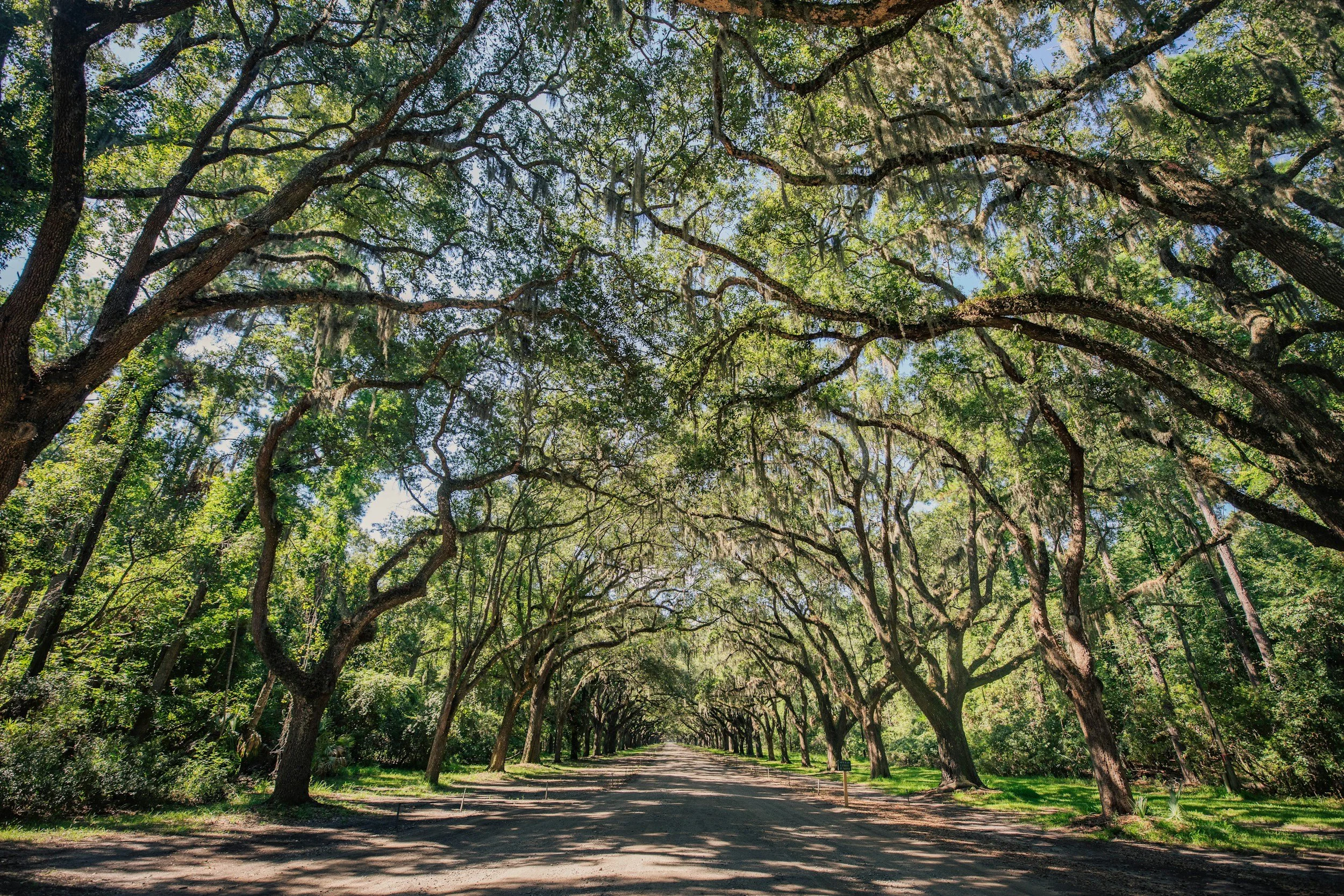
Among the most idyllic coastal scapes are the ones painted in the United States Low Country. Warm summer breezes, with a soundscape led by cicadas and crickets’ echoes throughout sprawling salt marshes and tidal waterways. Watercolor sunsets paint the sky behind picturesque sea islands every night. Among vast trees draped in Spanish moss, tidal marshes, and slow-paced life is the home of the Gullah Geechee culture.
From the coastal lands of North Carolina to northern Florida, lives the Gullah Geechee Cultural Heritage Corridor, established in 2006 by Congress. In the 18th century, enslaved West and Central Africans lived and worked across this region. Isolated from the mainland by inlets, rivers, and marshes, this geography provided protection to develop and maintain a separate creole language and in turn developing a distinct culture unlike any other in the United States. Many different languages were spoken at that time.
the Gullah Geechee language was developed as a way of intertwining these languages together to create a common language to communicate with one another. The vocabulary and grammatical roots stem from African and European languages yet have a greater continuity with Afro-Caribbean languages than other African American groups in the United States. As a result of the isolation of these rural communities, many customs were developed and preserved such as language, folklore, and food preferences that were connected to their West African Roots.
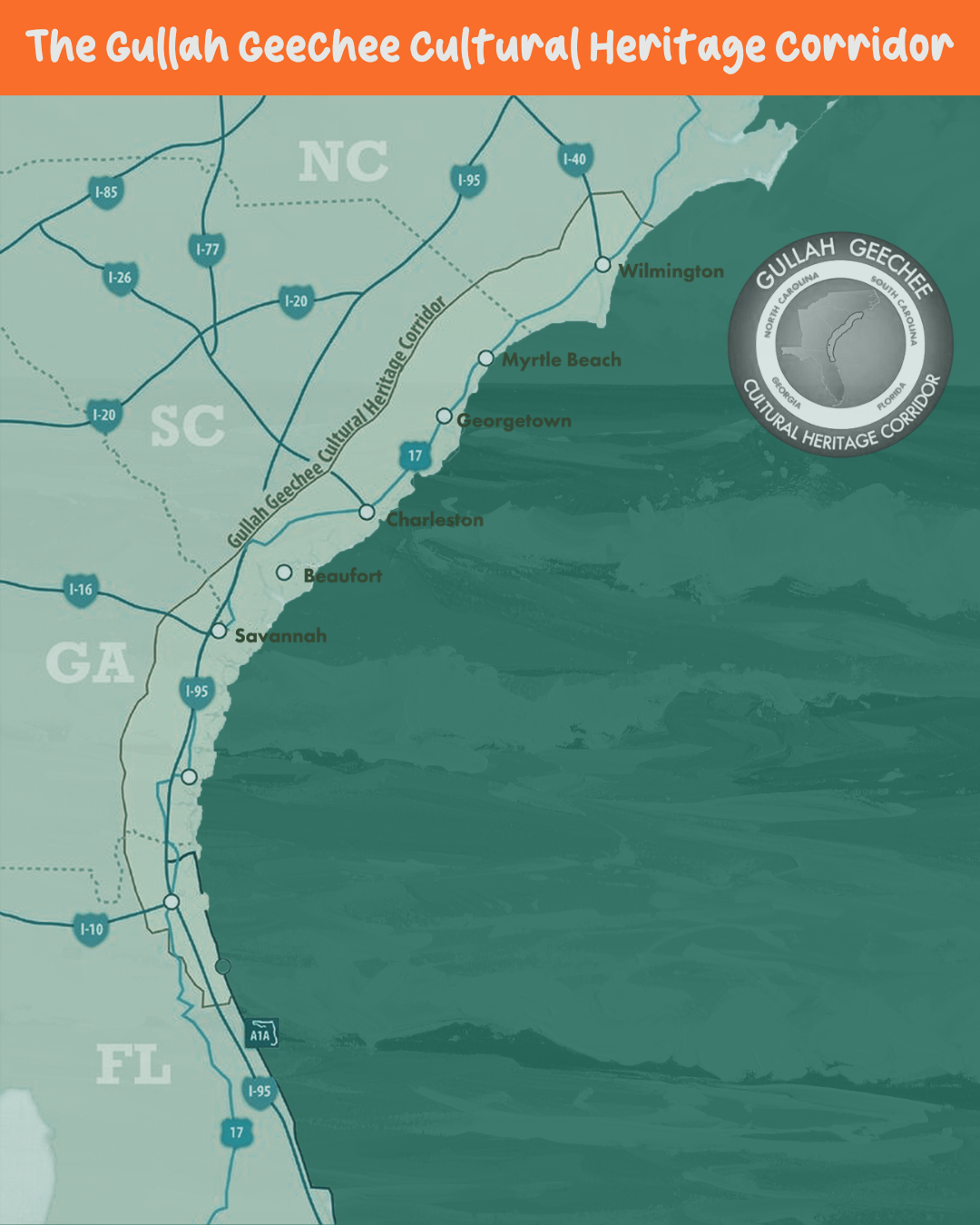
According to the Low Country Gullah Culture Special Resource Study and Final EnvironmentalImpact Statement, Gullah people are those located in coastal South Carolina and Geechee people are those who live on the Georgia Coast and northern Florida.
Georgia Geechee considers themselves Freshwater Geechee if they live on the mainland; those who live on the Sea Islands are Saltwater Geechee. In some contexts, ‘Geechee’ is used regionally to describe those in the Low Country, though it remains a culturally specific identity.
Despite their long-standing roots along a coastal corridor spanning four states, the pressure of development along the coast risks the loss of Gullah Geechee history. Throughout the centuries, historical Gullah Geechee landmarks and communities were lost. With this, the Gullah Geechee people are making a major push to preserve their history and heritage, especially those right along the coast.
History Through Food
Coming primarily in the 1700s through the Port of Charleston, enslaved Gullah Geechee people worked on rice, indigo, and sea island cotton plantations on the lower Atlantic coast. Many of the enslaved people came from the rice-growing region of West Africa. Therefore, rice was a staple crop for Gullah Geechee people and white people in the southeastern coastal regions. At the time, plantation cooks were primarily enslaved women, so today’s food that is referred to as “Southern” comes from the creativity and labor of enslaved cooks. These traditional communities in the 1700s were characterized by fishing, hunting, and farming.
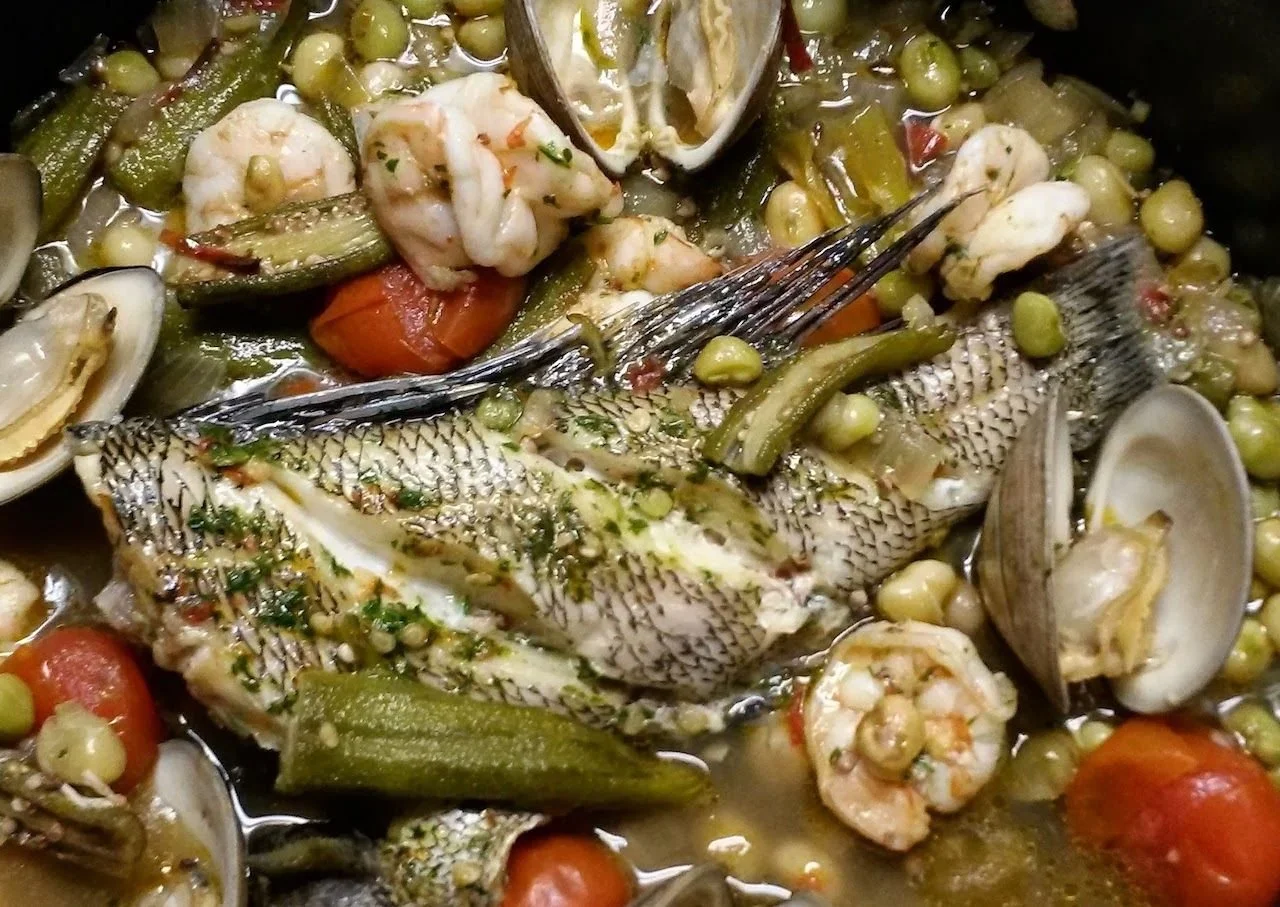
Photo: Benjamin Dennis
Today, Gullah Geechee descendants push to popularize and honor their cultures' food and favorite dishes. Whether it is at home, or in restaurants, food is just one way this culture is being preserved.
Benjamin ‘BJ’ Dennis is a highly sought-after chef and caterer in South Carolina that is very knowledgeable on Gullah Geechee cuisine.
“People often think of Gullah Geechee and our pork, but back then, people ate more seafood and veggies than anything else.” He explained in an interview with Charleston Magazine, “Often cooking with sun-dried vegetables and salt-fish, fish that had been cleaned, salted, and hung on a line to dry.”
Living within 30 miles from the ocean for generations, the Gullah Geechee culture has shaped fishing traditions, foodways, and stewardship practices that still define the coast today. Nevertheless, these coastal roots are continually experiencing the pressure from commercial development along the coast and replacing these communities with resort service and suburban economy, which risks the loss of Gullah Geechee history. With this, the Gullah Geechee people are making a major effort to preserve their history and heritage. Today, one instance of these efforts being made is the Gullah Geechee Seafood Trail. The Gullah Geechee Chamber of Commerce was founded in 2018.
“The mission of the Gullah Geechee Chamber of Commerce is to raise global awareness of profitability and sustainability of African American businesses and other entities supporting the Gullah community.” As described on the Seafood Trail’s website, “The Gullah Geechee Chamber is a strong advocate for our natural environment and encourages career and business opportunities in green, renewable energy fields.”
Meet the Chefs
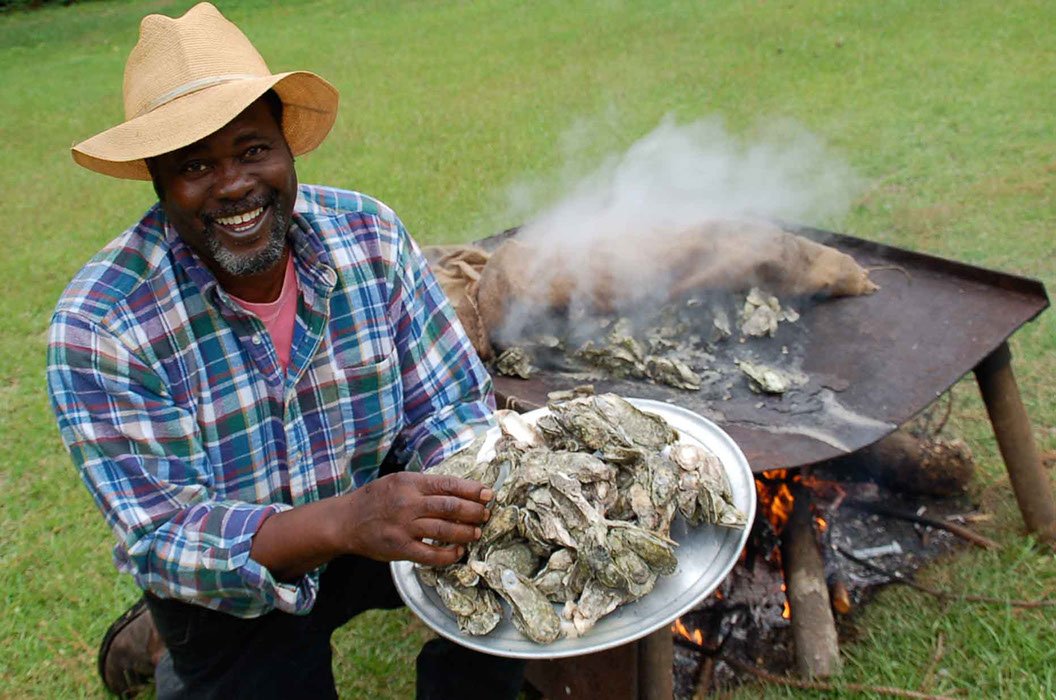
William "Bill" Green, Chef and Owner of the Gullah Grub Restaurant. Photo from The Gullah Grub Restaurant website.
A key entry point to experience this vibrant and resilient culture is through their food. There are several restaurants along the Seafood Trail, many concentrated along the coast of South Carolina. All of which are family-owned businesses giving both modern and traditional takes on the Gullah Geechee styled food.
Hannibal’s Soul Kitchen, located in Charleston offers seafood “Gullah Style” along with soul food “Geechee Style.” Hannibal’s Gullah style seafood has a range of options, with the most popular being the signature shrimp and crab rice dish. Displaying the wide variety of cuisine, each day Hannibal’s features a different soul food special “Geechee Style.” Established in 1985, the restaurant is named for their family patriarch, Robert Larence Huger, nicknamed “Hannibal.”
“The name “Hannibal” comes from the great African General and Ruler whose victory against superior Roman forces won him enduring fame that outlasted his native country within North Africa. His crossing of the Alps remains one of the most monumental military feats of ancient warfare and has since captured the imagination of the world.” As explained on the restaurant’s website, “In a very similar way, “Hannibal Huger” succeeded in the business world against the odds and has served to capture the imagination of a new generation of “Huger Family” entrepreneurs.”
Almost halfway between Charleston, SC and Savannah, GA is the Sea Island of St. Helena. Sixty-four square miles of history and beautiful views, St. Helena Island is also home to Chef Bill Green and his restaurant, The Gullah Grub Restaurant. For over 15 years, Bill’s restaurant has been preparing authentic Gullah meals.
“Bill follows the rules of Gullah traditions when it comes to preparing food. First, eat in season. Each season brings a special harvest and when you eat in season you help protect the earth and maintain balance. For example, Gullah folk only eat oysters during the months ending with the letter R – September through December.” Explained on the restaurant’s website. “This ensures the oyster beds have time to grow and mature.”
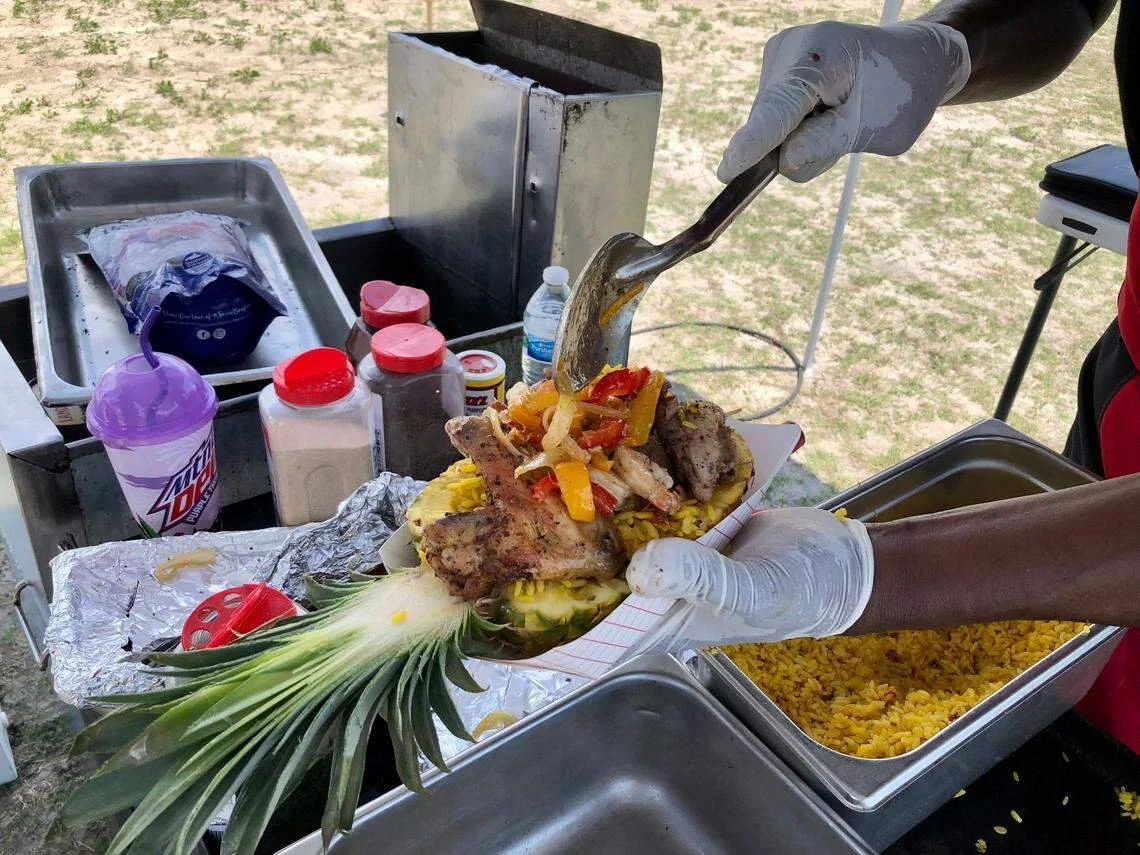
Donni Greene of Donnie’s Grill in Bucksport, S.C. Photo from The sun news June 24, 2023. Eleanor Nash
Restaurants all along the Gullah Geechee Heritage Corridor are small family-owned businesses who are proud of their heritage and committed to honoring and sharing the flavors of Gullah Geechee food. Once isolated and preserved by geography, now uprooted by other economic intentions, culture-keepers in the Gullah Geechee community continue to strengthen their pulse throughout the coast. To locate and support more Gullah Geechee restaurants and businesses, to help sustain the culture that has shaped the Low Country for centuries, visit the Gullah Geechee Seafood Trail website and explore the interactive Seafood Trail map.
References:
National Park Service. Low Country Gullah Culture Special Resource Study and Final Environmental
Impact Statement. Atlanta, GA: NPS Southeast Regional Office, 2005.
https://www.gullahgeecheeseafoodtrail.com/eat/#
https://charlestonmag.com/features/15_minutes_with_benjamin_dennis
Meet The Author
MIchella Salvitti
MIA Communications Team
Science/Written communications coordinator
